Scar Camouflage
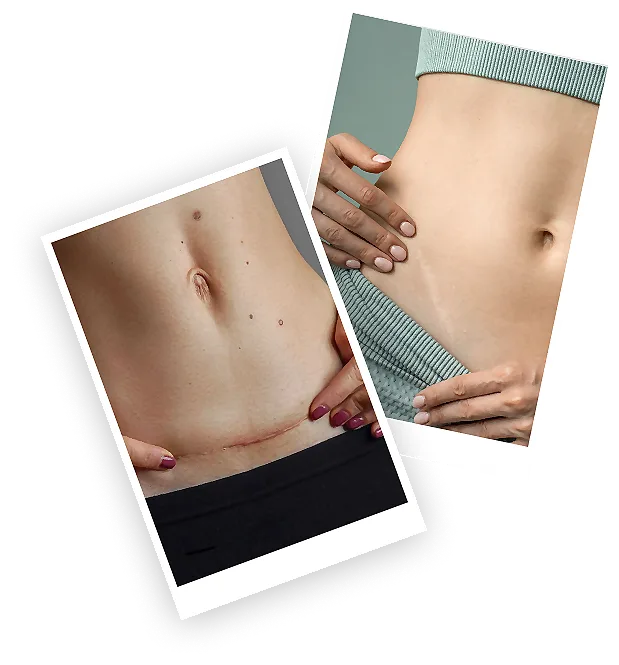
Scar camouflage is a specialized paramedical tattoo procedure designed to help reduce the appearance of scars by blending them more naturally with your surrounding skin tone. This treatment can improve the look of scars caused by surgery, injury, burns, or other skin trauma.
2 Hrs
appointment

How It Works
Using custom pigment blending, the scar is carefully treated to help soften the contrast between the scar and the natural skin. The goal is not to erase the scar completely, but to make it less noticeable and create a more even appearance.
Best Candidates
Scar camouflage may be a good option for clients who have:
• Healed, flat, and lighter-colored scars
• Scars that are at least 6–12 months old
• Healthy skin with no active irritation or infection
• Realistic expectations about the results
Areas That Can Be Treated
Scar camouflage can be used on different areas of the body, including:
• Face
• Abdomen
• Breasts
• Arms and legs
• Post-surgical scars
• Injury scars
Important to Know
Scar camouflage works best on scars that are fully healed, smooth, and stable in color and texture. Raised, dark, or very uneven scars may need additional treatments or may not be ideal candidates. A consultation is recommended to determine if this service is right for you.
Treatment Benefits
• Helps reduce the visibility of scars
• Improves overall skin appearance
• Customized pigment matching
• Boosts confidence
• Non-surgical solution
Sessions and Touch-Ups
Most clients need more than one session to achieve the best result. Because every scar and skin type is different, the number of sessions will vary. Touch-ups may be recommended to build color gradually and refine the final appearance.
Consultation Recommended
A consultation is required before treatment to assess the scar, skin condition, and color match. This helps create a personalized treatment plan and ensures safe, realistic results.
Results
Results can help the scar blend more naturally into the skin, making it less visible. Final results vary based on the age, texture, color, and condition of the scar, as well as your skin type and aftercare.
FAQ
Scar camouflage is a paramedical tattoo technique that uses custom pigment to blend scars with the surrounding skin tone, making them less noticeable.
Scar camouflage can help improve the appearance of surgical scars, injury scars, C-section scars, tummy tuck scars, and some stretch marks.
Scars must be fully healed and mature, usually at least 6–12 months old, before treatment.
No. The procedure does not remove the scar, but it significantly reduces the contrast, helping the scar blend naturally with your skin.
Scar camouflage may not be suitable for keloid scars, raised scars, or scars that are still red or healing.
Most clients experience minimal discomfort. A topical numbing cream can be applied to keep you comfortable during the treatment.
Treatment usually takes 1–3 hours, depending on the size and condition of the scar.
Healing typically takes 7–14 days, with full results visible after 4–6 weeks.
Results can last several years, but a touch-up may be needed over time to maintain the color.
Results can last several years, but a touch-up may be needed over time to maintain the color.
PMU ARTICLES
Lip Blushing is taking over the world by storm
Microblading Troubleshooting

Perfect Your Microblading Craft
The Microblading and Nanoblading difference